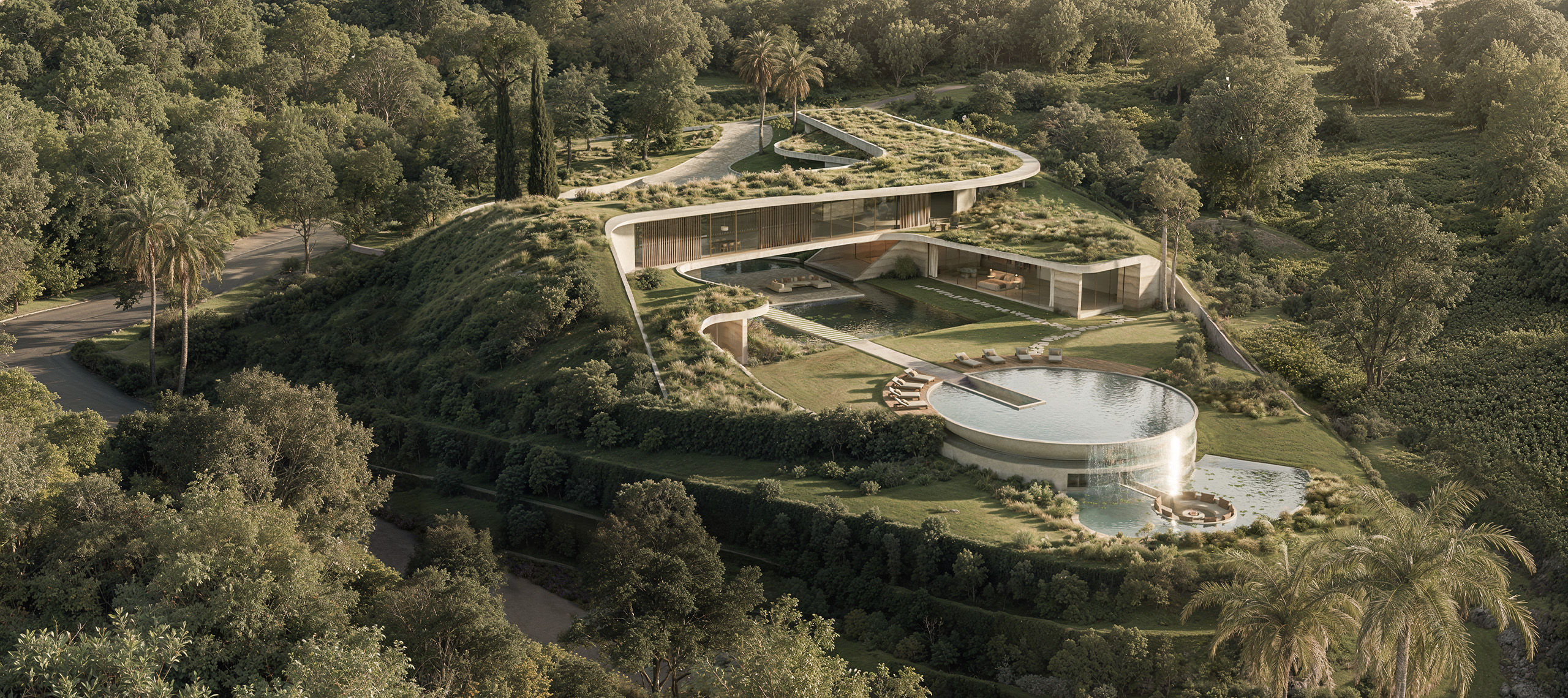
La privacidad es una de las cualidades más importantes en la arquitectura residencial de alta gama. Cómo diseñar villas que protegen la intimidad sin renunciar a la luz, las vistas y la vida al aire libre.
Privacy is one of the most important qualities in high-end residential architecture. For many owners in Marbella and Madrid, a villa is not only a place to live or spend holidays. It is a private retreat, a space for family, rest, entertaining and security.
But privacy should not mean isolation.
The best residential architecture protects the intimacy of the home while preserving the qualities that make Marbella so desirable: natural light, open views, outdoor living, sea and mountain landscapes, and a strong connection with the Mediterranean climate and vibes.
Designing for privacy is therefore a balance. It requires much more than building high walls or hiding a house from view. It means understanding how the property is approached, how each space is used, what can be seen from outside, what the owners want to see from inside and how the home should feel throughout the day.
Privacy begins before entering the house
The sense of privacy starts at the arrival sequence.
Access to the property, vehicle circulation, pedestrian paths, gates, service entrances and parking areas all influence the experience of the home. In a premium villa, arrival should feel controlled, elegant and natural. It should protect the residence without making it feel defensive.
A well-designed entrance can create discretion through distance, landscaping, changes in level, curved approaches, walls, vegetation or carefully framed views. The objective is to prevent direct exposure while building a calm transition between the street and the private world of the home.
This is especially important for international clients and high-net-worth owners who value security and discretion. The architecture must offer protection, but it should still feel welcoming.
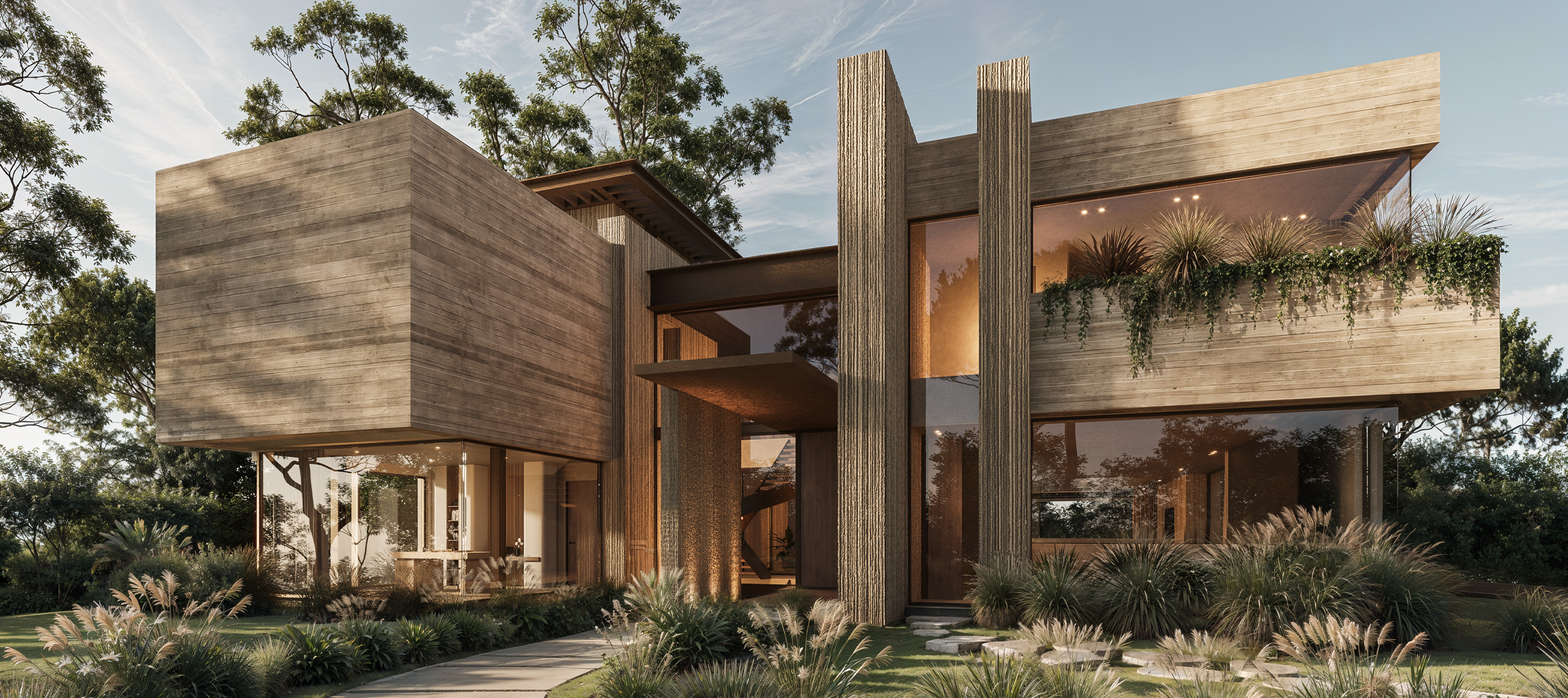
Orientation: controlling views in both directions
When designing a villa in Marbella, for example, views are often one of the main priorities. Sea views, golf views, mountain views or garden views can define the entire project.
However, every view works in two directions.
A room that opens beautifully towards the landscape may also be visible from neighbouring properties, roads or surrounding plots. This is why orientation is one of the most important tools for privacy.
The position of the house on the plot, the angle of the windows, the depth of terraces, the location of outdoor lounges and the relationship between floors must all be studied carefully.
Good design does not simply maximise openness. It frames views intelligently.
A bedroom, for example, may need a different level of exposure than a living room. A pool terrace may require protection from neighbouring viewpoints. A dining area may benefit from openness during the day but need more intimacy at night.
Privacy is not the same in every part of the house. The architecture should respond to each situation.
Landscaping as an architectural tool
In luxury residential design, landscaping should not be treated as decoration added at the end. It is a fundamental part of the architecture.
Vegetation, trees, hedges, patios, pergolas, water features and changes in terrain can all create privacy in a softer and more natural way than solid barriers.
Landscaping also helps connect the villa with its environment. Mediterranean planting, shaded areas and garden transitions can make privacy feel organic rather than imposed.
A carefully planned garden can block unwanted views, guide movement, create outdoor rooms and protect terraces without closing the home off from light or air. It can also help soften the scale of the property and create a stronger sense of calm.
For villas in exclusive areas, this is especially valuable. Owners often want to enjoy outdoor spaces without feeling observed. The garden becomes part of that protection.
Terraces that feel open but protected
Outdoor living is central to the Marbella lifestyle. Terraces, pool areas, outdoor kitchens, lounges and dining spaces are often used as much as the interiors.
This creates a specific design challenge: how to make these spaces open, comfortable and connected to the landscape while still feeling private.
The answer depends on proportion, orientation and architectural elements. A terrace can be protected through deep overhangs, side walls, pergolas, level changes, planting, screens or the placement of built volumes. The idea is not to enclose the space, but to create a sense of shelter.
A successful terrace should allow owners and guests to relax naturally. It should not feel exposed to neighbouring houses or passing views. At the same time, it should still receive light, air and a strong connection to the surroundings.
This is where architectural precision matters. A small shift in the position of a wall, column or window can completely change how private a space feels.
Separating social, private and service areas
Privacy is not only about what happens between the villa and the outside world. It is also about how the home works internally.
In large residences, the separation between social areas, private rooms and service zones is essential.
Guests may use the living room, dining room, pool terrace or entertainment areas. Family members need bedrooms, studies, private lounges and personal spaces. Staff or service providers may require independent access to kitchens, laundry rooms, technical areas or storage spaces.
If these flows are not planned properly, the home can feel uncomfortable despite its size.
A well-designed villa allows different activities to happen at the same time without conflict. Owners can host guests while maintaining privacy in the bedroom areas. Service functions can operate efficiently without crossing the most private parts of the house. Children, guests and staff can move through the home without creating unnecessary interruptions.
This kind of planning is invisible when done well. But it has a major impact on daily comfort.
Protecting intimacy without losing natural light
One of the most common mistakes in privacy-focused design is sacrificing light.
Closing a house too much can make it feel heavy, dark or disconnected from the landscape. In Marbella, where natural light is one of the great qualities of the location, this would be a missed opportunity.
The objective is not to reduce openings, but to design them intelligently.
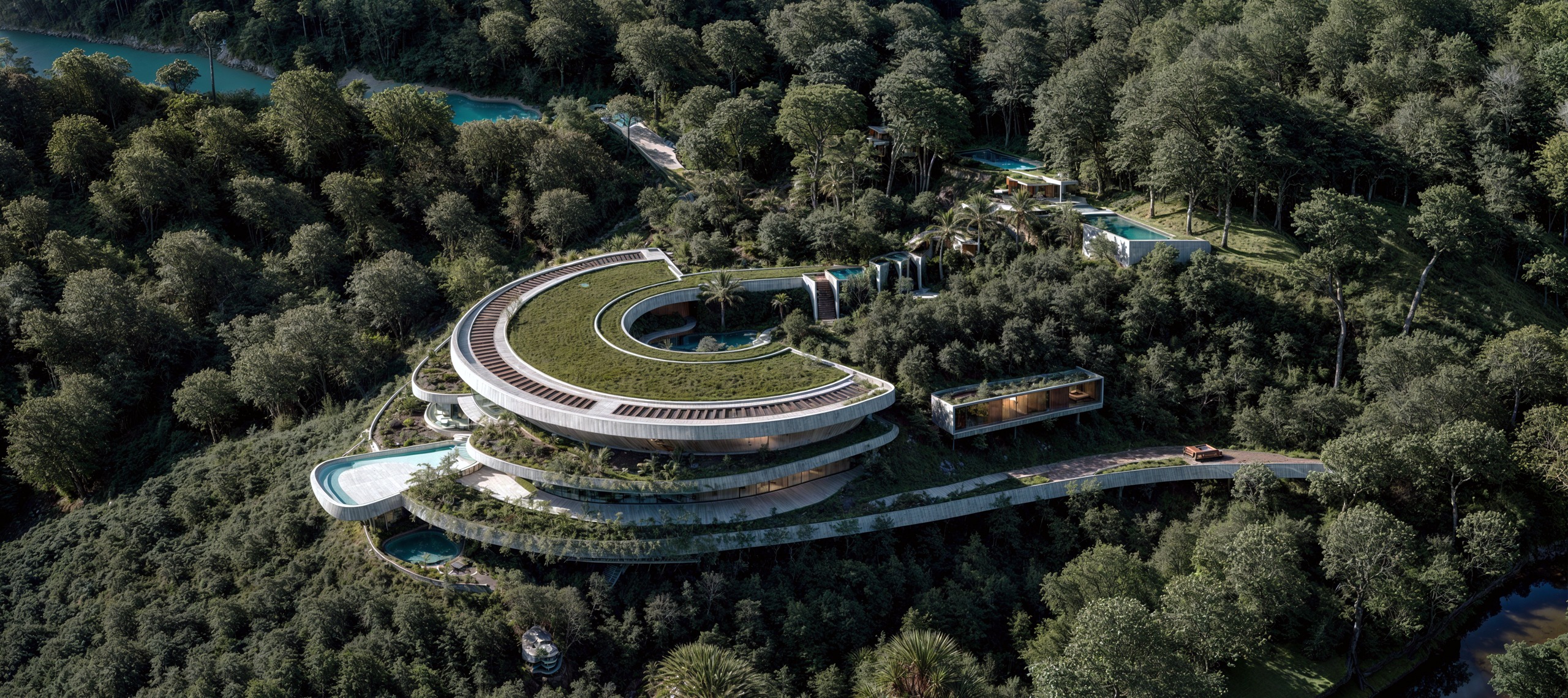
Solutions may include courtyards, patios, angled windows, clerestory openings, deep frames, screens, filtered façades or vegetation that protects views without blocking daylight.
Natural light can be brought into the home in controlled ways. A room does not always need to face outward directly to feel bright. Sometimes the most elegant spaces receive light through patios, internal gardens or carefully positioned openings.
This approach allows a villa to feel both open and intimate.
Privacy as part of the owner’s lifestyle
Every owner has a different idea of privacy.
Some clients want a home designed for frequent entertaining, where guest areas are generous and fluid but the family areas remain protected. Others want a quiet retreat with fewer social spaces and a stronger focus on seclusion. Some need service circulation to be very discreet. Others prioritise privacy around the pool, gym, spa or main suite.
This is why privacy cannot be solved with a standard formula.
At Archidom Studio, the design process must begin with understanding how the owners live, what they value and how they want to use the property. The architecture then translates those needs into orientation, distribution, landscaping, materials and details.
In a premium villa, privacy should not feel like a restriction. It should feel like freedom: the freedom to enjoy the home without being exposed.
Design a home where privacy feels natural
At Archidom Studio, we design bespoke residences in Marbella and Madrid where privacy, light, landscape and daily life are considered from the very beginning. Every decision is shaped around the way our clients want to live, creating homes that feel protected without losing openness, elegance or connection with their surroundings.
If you are planning a private villa or luxury residence in Marbella or Madrid, we would be pleased to discuss how architecture can give you greater comfort, discretion and freedom.
Discover Archidom Studio and start designing a home that protects what matters most.